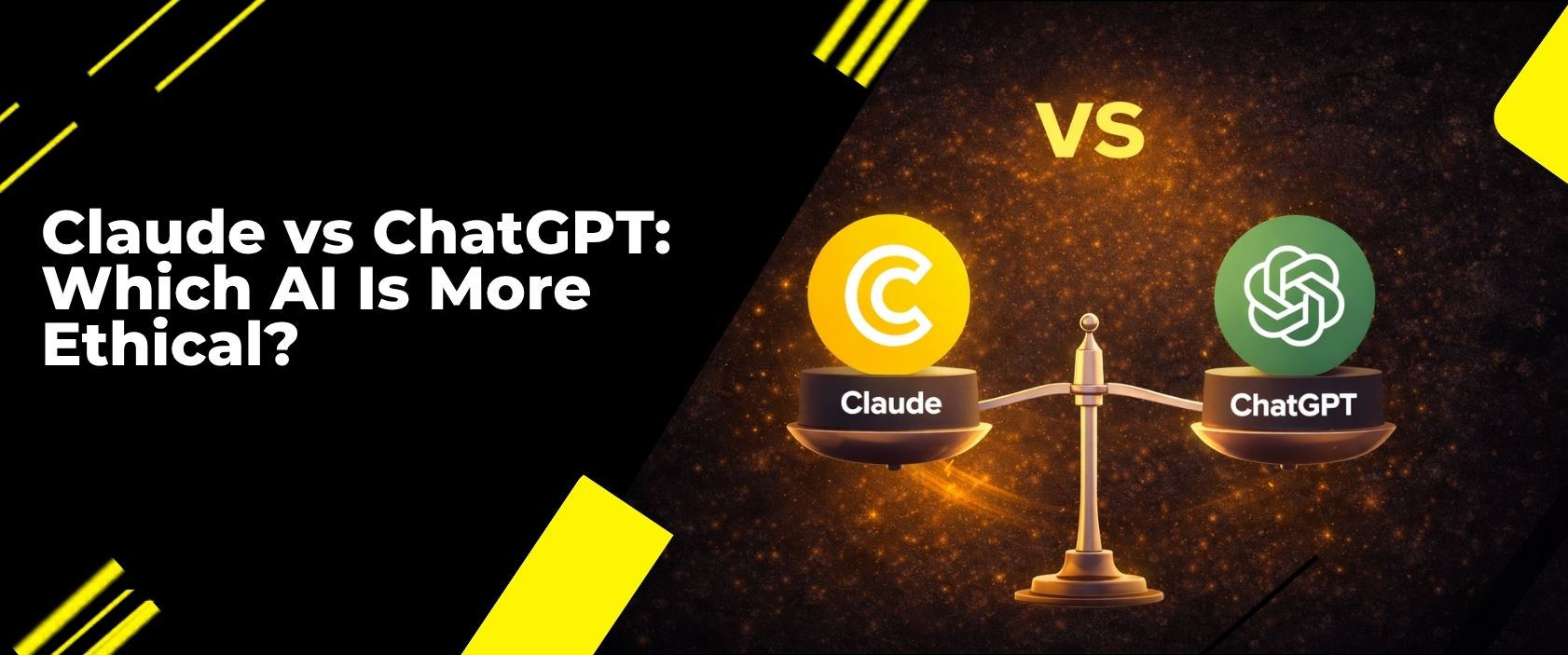
Let’s be honest, the Claude vs ChatGPT debate has always felt like an argument about features. Which one writes better emails? Which one doesn’t make up fake answers? For most of 2024 and 2025, that’s all it really was. But in early 2026, something happened that made us all stop and ask a very different question: do I actually trust the company behind my AI?
Because here’s the thing. These tools are part of our daily lives now. We use them to think, to work, to learn. And the companies building them are making big, important decisions about what their AI will and won’t do. Decisions that say a lot about who they really are.
The $200 Million Moment That Changed the Claude vs ChatGPT Conversation
In February 2026, the US Department of Defense approached both Anthropic and OpenAI with a contract worth up to $200 million. Sounds like a dream deal, right? Except there was a catch- a big one. The AI had to be available for “all lawful purposes.” In plain English: spying on citizens. Weapons that operate without human control. The whole deal.
Anthropic’s CEO Dario Amodei said no. Not “let’s talk about this.” Not “we need better terms.” A flat no. He publicly said the company couldn’t “in good conscience” hand Claude over for those purposes. Within hours, OpenAI stepped in and took the deal.
The internet didn’t take it quietly. ChatGPT uninstalls spiked 295% in 24 hours. One-star reviews surged 775%. Claude shot to #1 on the US App Store overnight. Millions of people suddenly started asking: “Wait — does it matter which AI I use?” The answer, it turns out, is yes. Very much yes.
So What Does “Ethical AI” Even Mean?
When people search Claude vs ChatGPT, they’re usually looking for a features comparison. But ethics is a feature too — arguably the most important one. Real AI ethics isn’t about a chatbot refusing to say a bad word. It’s about the values a company builds into their product, what they’ll never allow it to do, and whether they stick to that when someone waves a big cheque in their face.
Anthropic was literally started by people who left OpenAI because they were worried about where AI was heading. That’s not a story they made up later it’s why the company exists. They built Claude on a clear set of rules around telling the truth, avoiding harm, and making sure humans stay in charge. These aren’t rules added on top — they’re built into how Claude works from the ground up. OpenAI’s story is messier. The internal power struggle of 2023. Shifting from a nonprofit to a for-profit company. And now the Pentagon deal. Put it all together, and you get a company that talks a lot about doing the right thing but keeps making choices that say otherwise. To be fair, Sam Altman admitted the deal was handled badly and updated the contract to stop it being used to spy on US citizens. That’s something — but it only happened after millions of people got angry, not before.
But Let’s Not Make Claude a Saint
Here’s where the Claude vs ChatGPT ethics conversation gets more complicated because Anthropic isn’t perfect either. They’ve taken billions in funding, including a large amount from Amazon, a company with its own complicated history around privacy and data. No one in Big Tech is completely clean, and Anthropic is no different.
And honestly? Claude can be annoying sometimes. It over-thinks things. It’ll give you a cautious, hedged answer when you just want something straight. It’ll occasionally say no to requests that seem perfectly fine. That’s what happens when you build an AI that’s designed to be careful first.
Neither company is perfect. But when we talk about ethics, we’re not expecting perfection. We’re asking, when things get tough, do you stick to your values? And on that question, the difference between these two companies in early 2026 is pretty obvious.
Why the Claude vs ChatGPT Choice Actually Matters for You
If you’re using AI to write social media posts or plan a holiday, you might think none of this affects you. And maybe today, it doesn’t. But these tools are getting more powerful every few months. They’re doing more, deciding more, and touching more parts of our lives.
The company behind your AI is making decisions right now — about what governments can use it for, what businesses can ask it to do, and where it draws the line. You don’t see those decisions. But they affect every conversation you have with it.
When millions of people switched sides in the Claude vs ChatGPT debate after the Pentagon story came out, they weren’t just reacting to news. They were making a choice, saying that the values of the tool they use actually matter to them. For more honest, human-written breakdowns on AI tools that actually matter, you’re in the right place, explore more at skilluplemon.com
The Bottom Line: Claude vs ChatGPT on Ethics
Based on everything we know right now, Claude comes out ahead on ethics — not because Anthropic is perfect, but because when they faced a genuinely hard choice, they said no to the money. That doesn’t happen often in this industry. ChatGPT is still a great tool, and OpenAI will probably do better over time. But right now, if you care about what your AI actually stands for — not just what it can do — the Claude vs ChatGPT answer seems pretty obvious. The AI you use says something about what you value. Choose accordingly.
Explore more articles like this to stay on top of the tools shaping how we work and think